
Quick answer
Most roofing companies will happily replace a roof that insurance has already approved. Far fewer will do the work of getting it approved, and that work is where homeowners lose the most money.
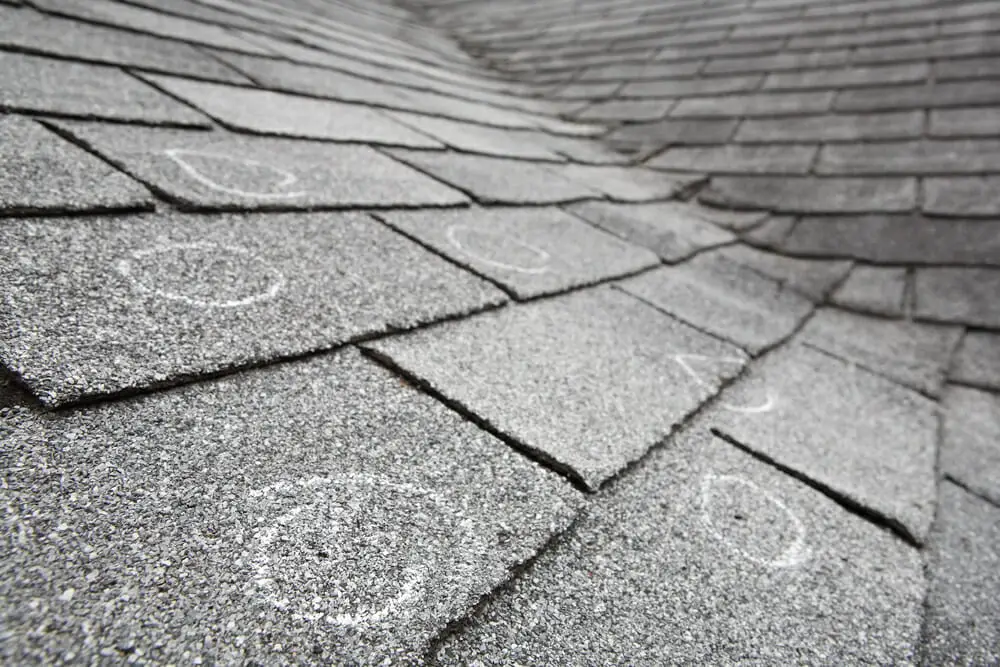
- We document storm damage to carrier standard: test squares, strike counts and weather data.
- We meet your adjuster on the roof, the hour that decides the payout.
- We file supplements for missed items and Ohio code requirements.
- We never waive deductibles. That is insurance fraud in Ohio.
What We Actually Do on a Claim
We are not public adjusters and we do not negotiate on your behalf as your legal representative. What we do is the contractor side of the process, thoroughly.
- Inspect and document damage to carrier-standard evidence — test squares, strike counts, photographs, weather verification
- Give you an honest read on whether the damage will meet the threshold, before you file
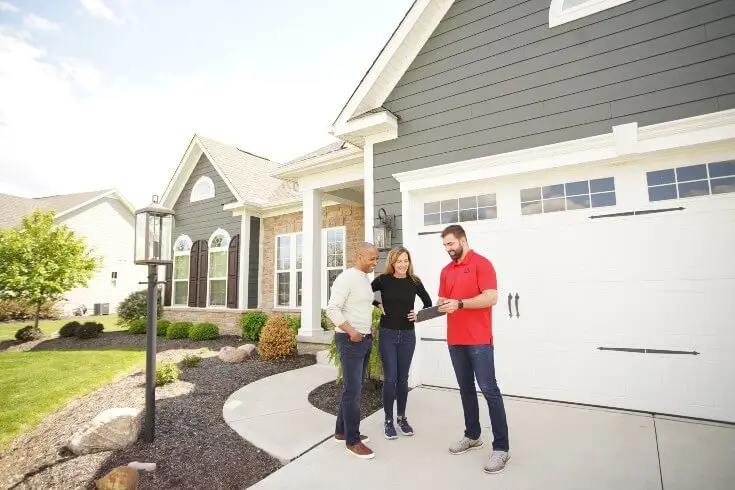
- Meet the adjuster at your home and walk the roof with them
- Produce a line-item estimate in the same software carriers use, so the two documents can be compared directly
- File supplements when the carrier’s scope misses required work
- Handle code-upgrade items that carriers frequently omit
- Carry it through to the depreciation release after the work is complete
The Part Almost Nobody Explains
On a replacement-cost policy, your carrier does not send one check. They send two.
The first is actual cash value — the cost to replace, minus your deductible, minus depreciation for the age of the roof. On a fifteen-year-old roof, depreciation can be a very large number, and that first check often looks alarmingly small relative to what the work costs.
The second check is the recoverable depreciation, and it is released after the work is completed and documented. It is yours. You have already paid for it in premiums.
A significant number of homeowners take the first check, do a cheap partial repair, and never claim the second. That is money left with the carrier, and it is one of the most common and expensive mistakes in this entire process.
Where Claims Go Wrong
The pattern is consistent. Damage gets under-documented, so the adjuster scopes a repair instead of a replacement. Nobody attends the adjuster inspection, so the slopes that took the worst of the storm never get tested. The carrier’s estimate omits code-required items like ice-and-water shield or drip edge, and nobody files a supplement to add them. Or the claim gets denied as wear and tear and the homeowner accepts it without asking for a reinspection.
Every one of those is preventable, and each has its own page in this section.
The Whole Process, Page by Page
- The claim process — the full timeline, step by step
- The adjuster meeting — what happens and why we attend
- Denied claims — why they happen and what to do
- Supplements — getting the claim paid in full
- ACV vs RCV — what your policy actually pays
- Deductibles — flat versus percentage, and financing
- Mortgage company on the check — why, and how to release it
- Code upgrade coverage — what Ohio code adds to the cost

One Thing We Will Never Do
We will not waive, absorb, discount, or otherwise cover your deductible, and neither will any contractor operating legally in Ohio.
It is insurance fraud. It exposes the contractor to prosecution and it exposes you as a participant. When someone offers it, they are telling you they are willing to commit fraud to win your job — which is worth considering carefully before letting them on your roof.
- Ohio Adm. Code 3901-1-54: unfair property and casualty claims settlement practices, including acknowledgment and decision timeframes.
- Ohio Rev. Code 1345.21 to 1345.28: Home Solicitation Sales Act, including the three-business-day right to cancel.
- Ohio Rev. Code Chapter 3951: licensing of public insurance adjusters.
- Ohio Rev. Code 2913.47: insurance fraud.