
Quick answer
Wind damage comes in two forms. The obvious kind, where shingles are in your neighbor’s yard. And the kind that leaves your roof looking untouched while quietly removing its ability to survive the next storm.
- Wind breaks the seal strip under shingles before it blows them off.
- Creased and unsealed shingles are damage even when nothing is missing.
- We document wind damage for your insurance claim.
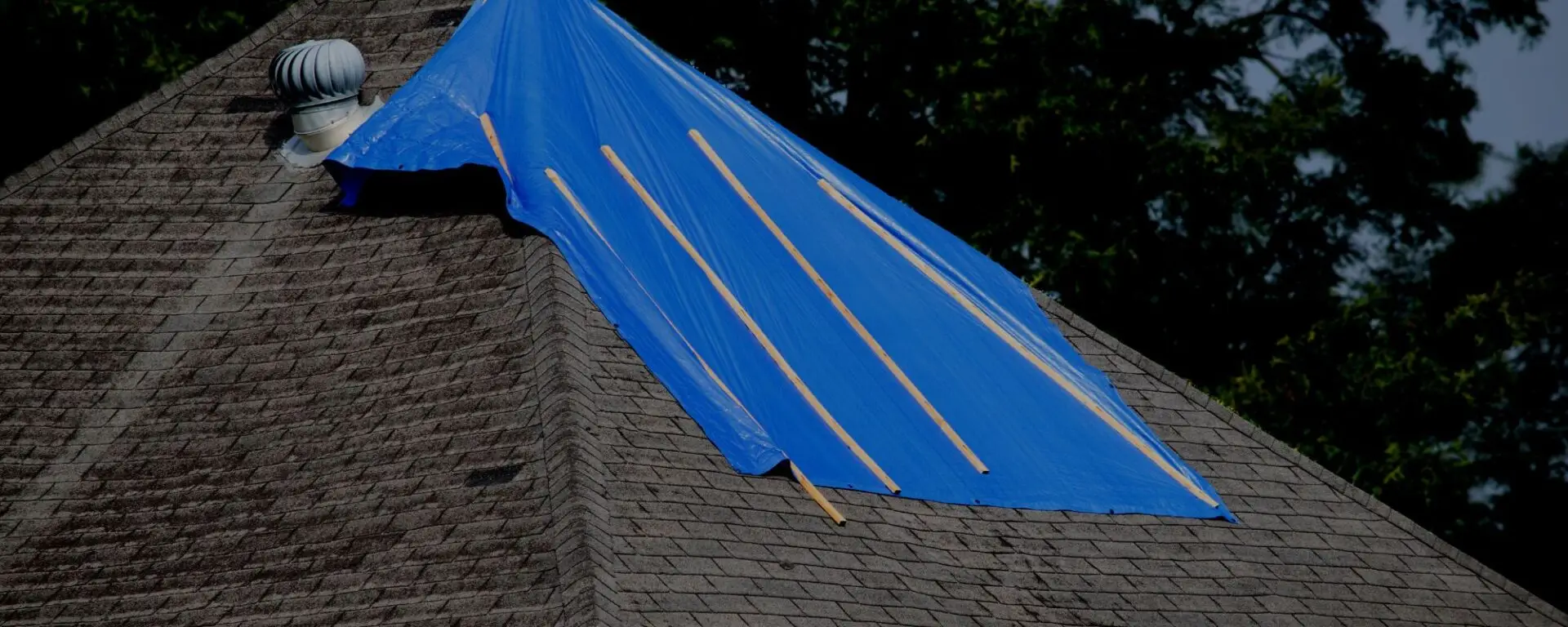
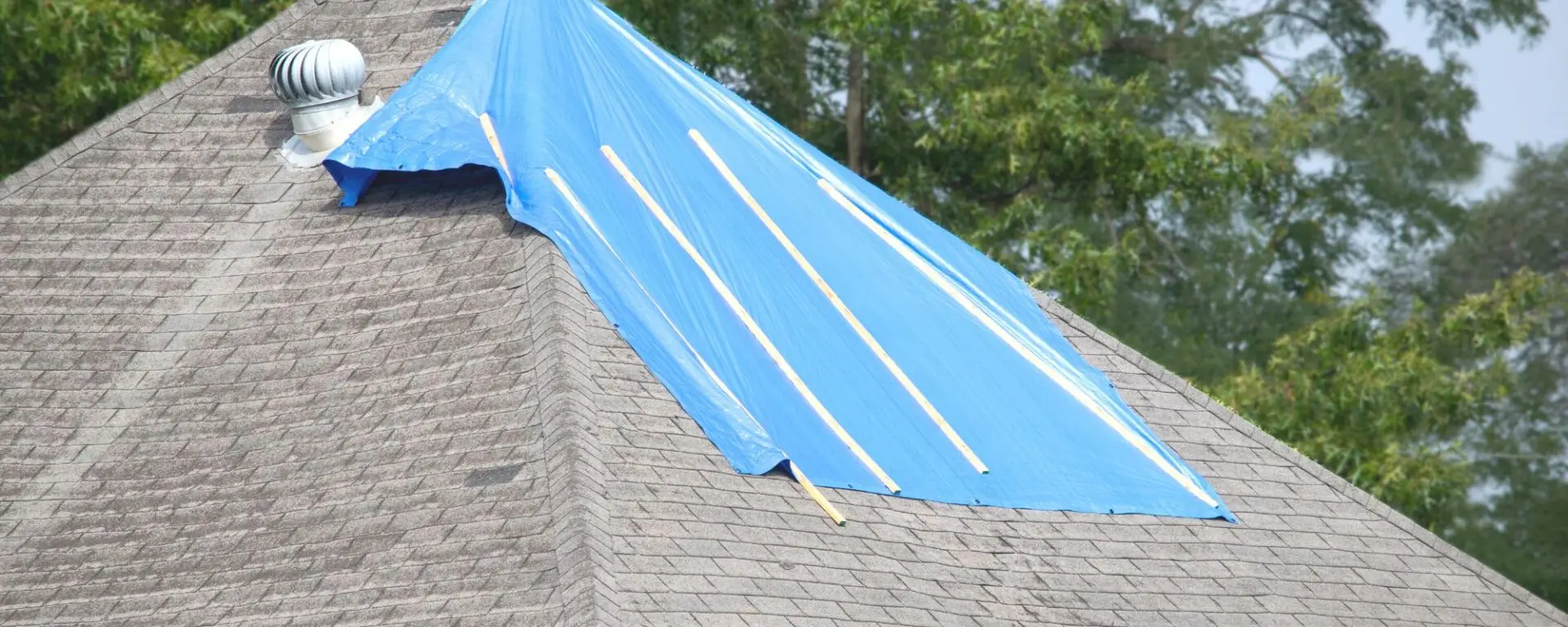
- Missing shingles get a same-day temporary repair where we can reach you.
The Seal Is the Whole Story
Asphalt shingles have a strip of adhesive on the underside. After installation, sun warms the roof and that strip bonds each shingle to the one below it. That seal, not the nails, is what stops wind getting underneath and peeling the roof off.
When wind lifts a shingle hard enough to break that bond, the shingle usually falls back into place. From the ground the roof looks perfect. But the seal is broken, and it does not reseal — the adhesive has already cured.
That shingle is now loose. The next moderate wind takes it, and by then the storm that caused the actual damage is long outside your claim window.
What We Look For
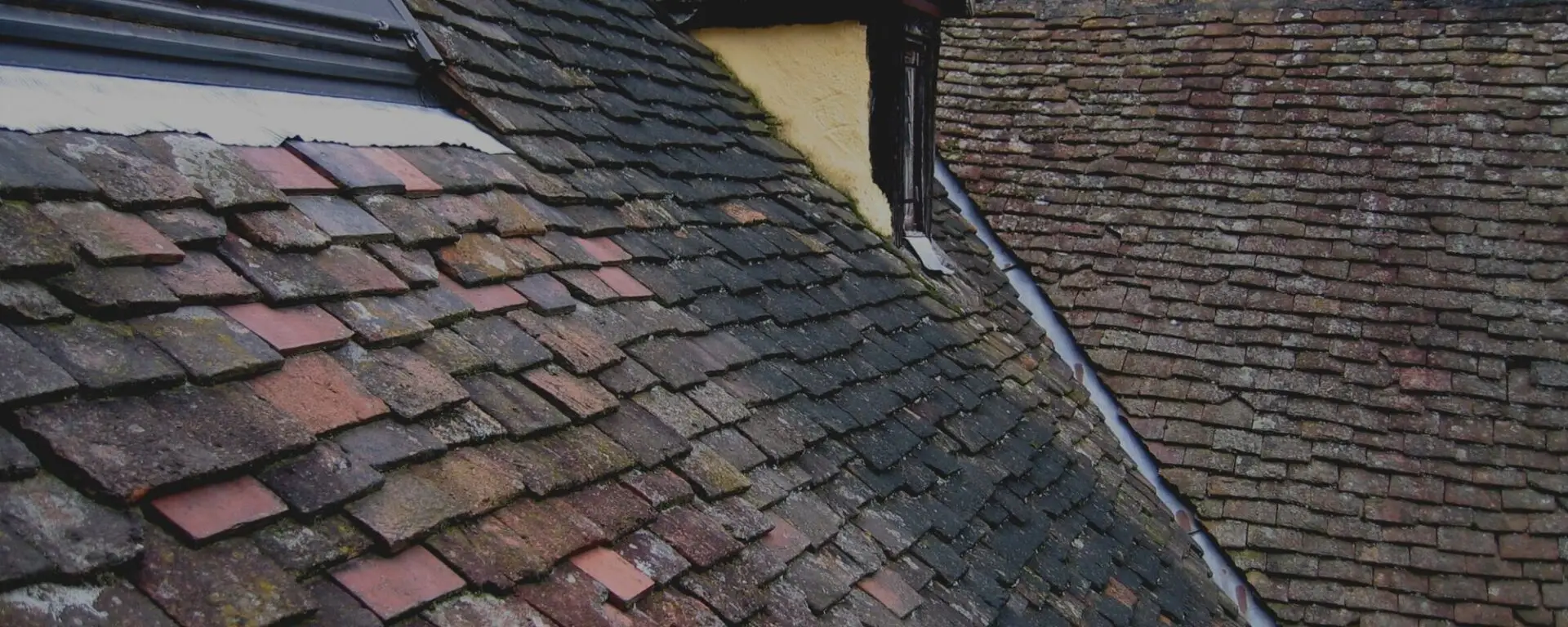
- Creasing — a horizontal line across a shingle where it folded back and returned. The clearest evidence of a broken seal.
- Lifted tabs — shingles that move when lifted by hand instead of resisting
- Missing shingles — the obvious one, and often clustered along rakes and ridges
- Ridge cap damage — the most exposed part of any roof and usually the first to go
- Displaced or lifted flashing — particularly around chimneys
- Debris impact — punctures and gouges from anything the wind carried
Where Wind Hits Hardest
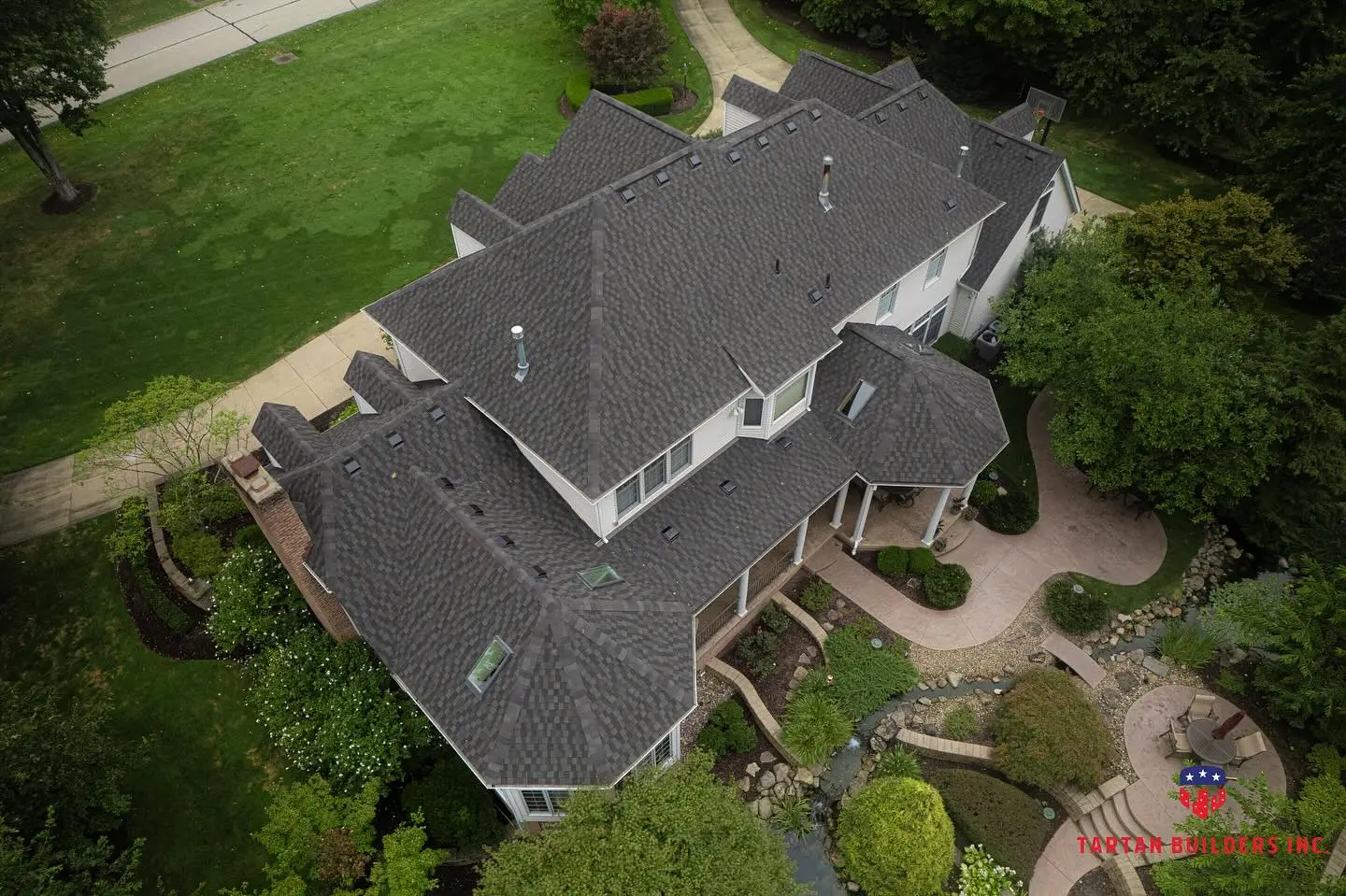
Wind does not load a roof evenly. It accelerates over the ridge and creates uplift at the edges, so damage concentrates along rakes, eaves, and the ridge itself, and on whichever elevation faced the storm.
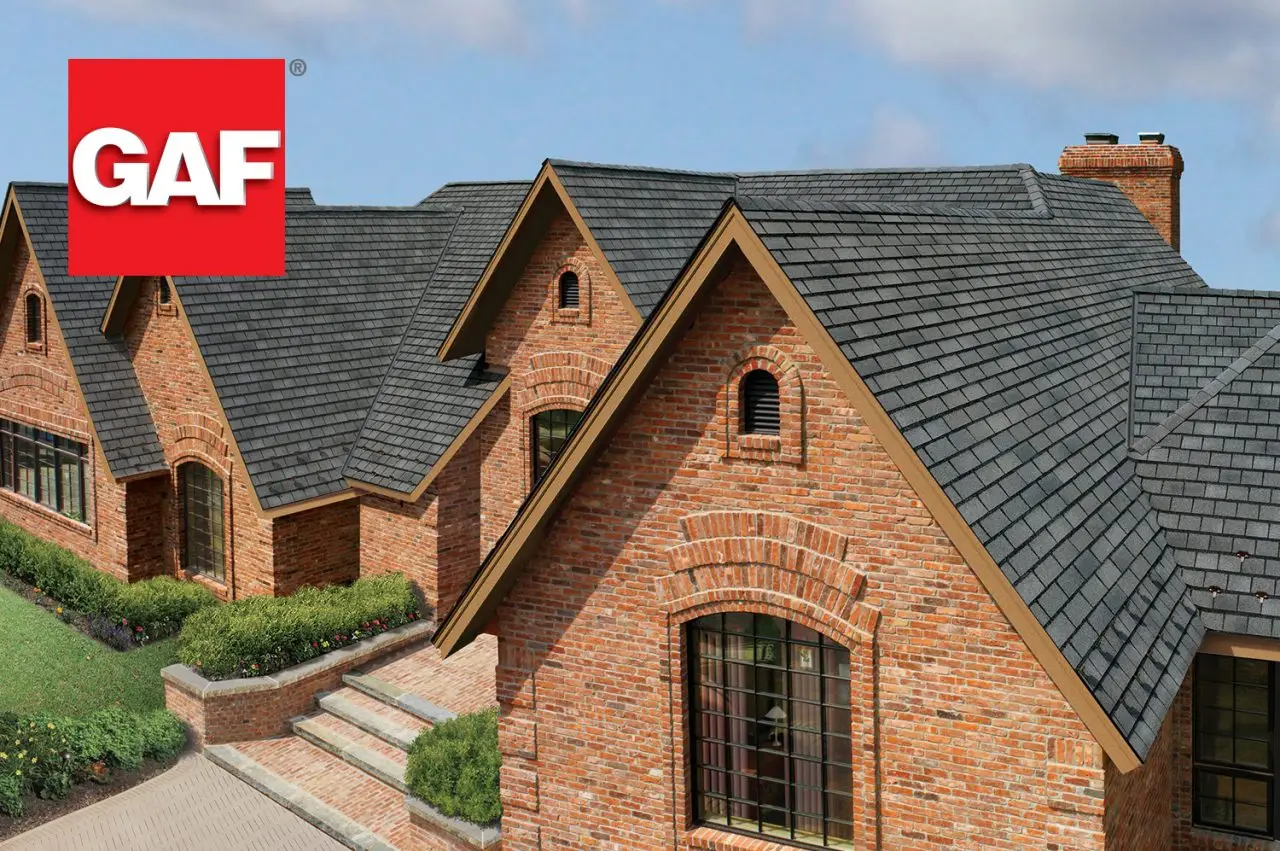
Corners take the worst of it. On a house with a complex roofline, hips and valleys create pressure differentials that concentrate uplift in specific spots. Knowing where to look is most of the job.
The Wind Speed Question
Carriers frequently reference wind speed when evaluating a claim, and shingles carry manufacturer wind ratings — commonly 110 or 130 mph for architectural shingles.
Those ratings are laboratory figures for correctly installed, fully sealed, new shingles. A ten-year-old roof with partially degraded adhesive does not perform to its original rating, and neither does a roof nailed slightly too high. Real-world damage regularly occurs well below rated speeds.
We pull verified weather data for the date of loss so the claim is tied to a documented event, which removes one of the more common grounds for pushback.
Partial Loss and the Matching Problem
Wind damage is often confined to one or two slopes, which raises an argument that comes up constantly: the carrier wants to replace only the damaged slope.
The practical problem is matching. If your shingles have been discontinued, or have weathered for a decade, a new slope will not match the rest — and many policies contain matching provisions requiring a reasonably uniform appearance.
This is one of the more winnable arguments in a claim, and it usually turns on documentation showing the existing shingle is unavailable. We handle that as part of the claim.