
Quick answer
A storm has come through and you are trying to work out how bad it is. This page is about the damage itself — what to look for, what to do in the first 48 hours, and how urgent it actually is.
- Most storm damage cannot be seen from the ground. Get a free roof inspection.
- We document wind, hail, tree and ice damage to insurance-carrier standard.
- We meet your adjuster on the roof and handle the claim through to the final payment.
- Claim deadlines run from the date of loss, so do not wait for a leak.
The First 48 Hours
Four things, in order.
- Document before you touch anything. Photograph everything from the ground — the yard, the gutters, the siding, any debris. Timestamps matter to carriers.
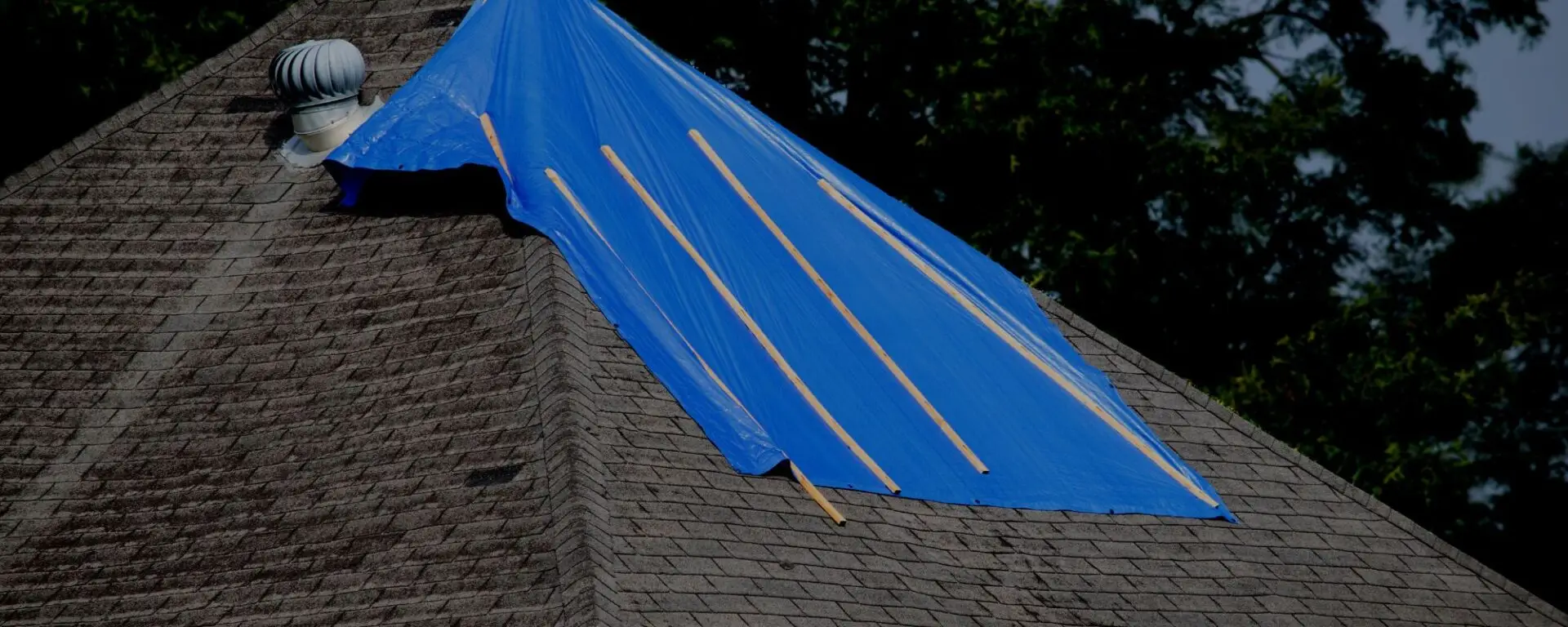
- Stop active water. If water is coming in, get containers under it and move what you can. Most policies require you to mitigate further damage, and failing to can affect the claim.
- Get it looked at properly. The serious damage is usually invisible from the ground. Book a free inspection.
- Do not sign anything at the door. Storm chasers arrive fast and their contracts frequently assign your claim rights to them.
Why You Cannot See It From the Ground
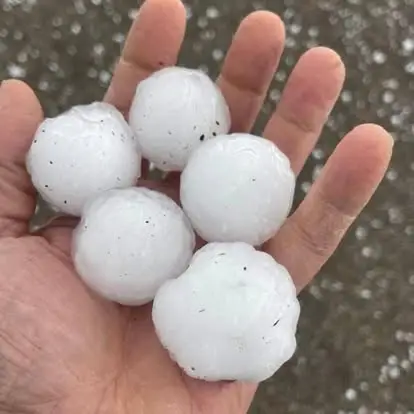
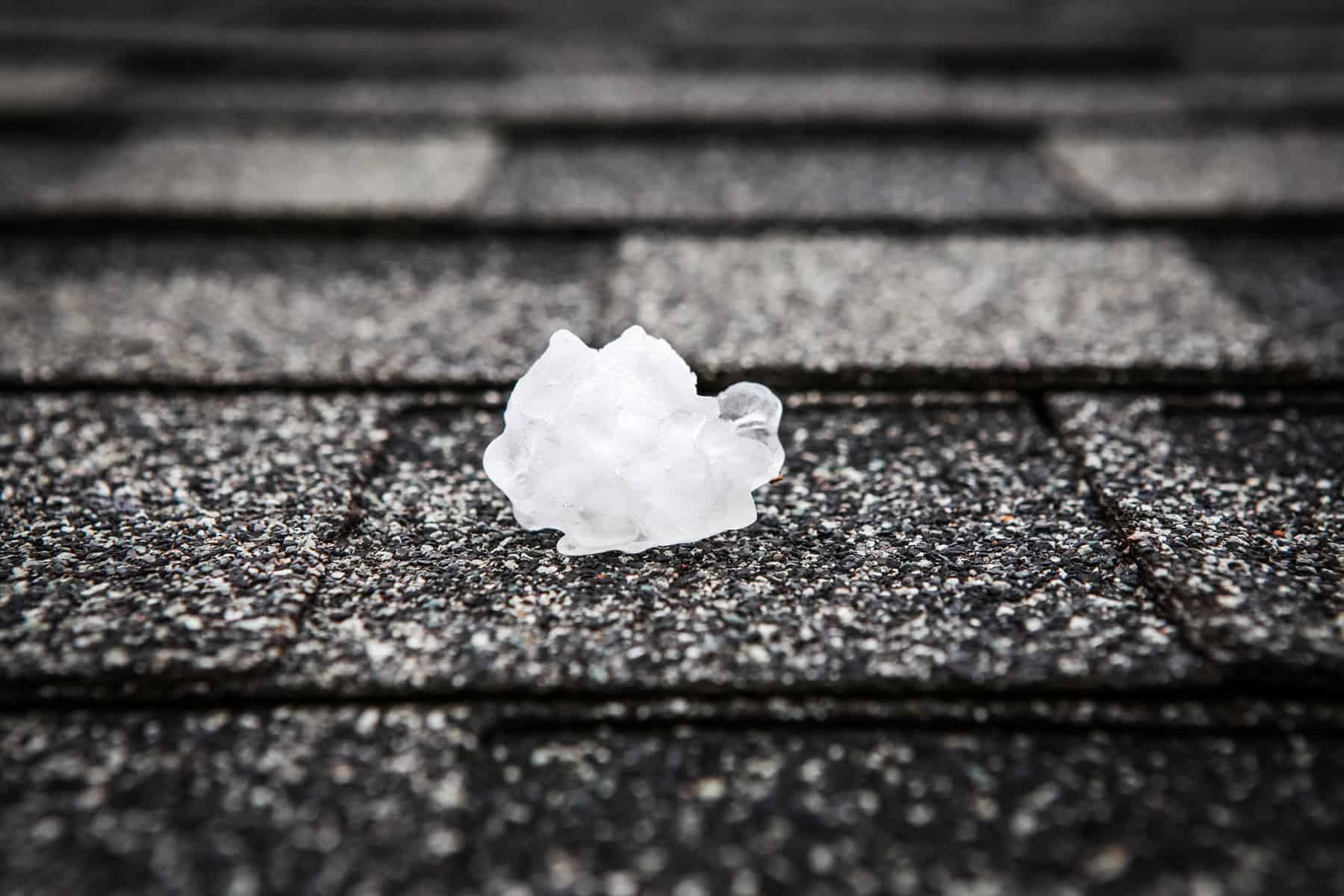
This is the single most important thing on this page. Hail damage on asphalt shingles looks like a soft dark bruise where the granules have been knocked loose and the mat beneath is compressed. It does not tear the shingle. It does not leak on day one. From a driveway it is completely invisible, and it is often invisible in photographs too — it has to be felt.
What it does is destroy the shingle’s ability to shed water. The bruised spot weathers far faster than the rest of the roof, and eighteen months to three years later it starts leaking. By then the claim window on your policy has almost certainly closed.
Wind damage is similar. A shingle can be lifted enough to break its adhesive seal and then settle back down looking perfectly normal. The seal is what holds it in the next storm, and it is gone.
The Clock You Are On
Most policies require claims to be reported within a defined window of the date of loss, and some carriers have shortened those windows considerably in recent years.
That is why we inspect free after any significant hail or wind event, and why we recommend doing it even when nothing looks wrong. Finding damage in month two is a claim. Finding the same damage in year three is a repair you pay for.
Storm Chasers, and How to Spot One
After a major storm, out-of-state crews arrive within days. Some are legitimate. Many are not, and the pattern is consistent enough to recognize.
They knock unannounced. They pressure you to sign immediately. They offer to cover or waive your deductible, which is insurance fraud in Ohio and exposes you as well as them. They ask you to sign an assignment of benefits, handing them control of your claim. And they carry no local address, so when the roof leaks in two years there is nobody to call.
We are a local company with permanent offices and our own crews. When we travel for storm work in Kentucky, Georgia, or Indiana, we bring the same crews, the same warranties, and the same phone number that answers afterwards.