
Quick answer
A roof insurance claim has seven distinct stages. Most homeowners only find out what stage four involves once they are standing in it.
- Seven stages: inspection, filing, adjuster visit, carrier estimate, supplements, the work, depreciation release.
- Ohio rules require carriers to acknowledge and decide claims within set timeframes.
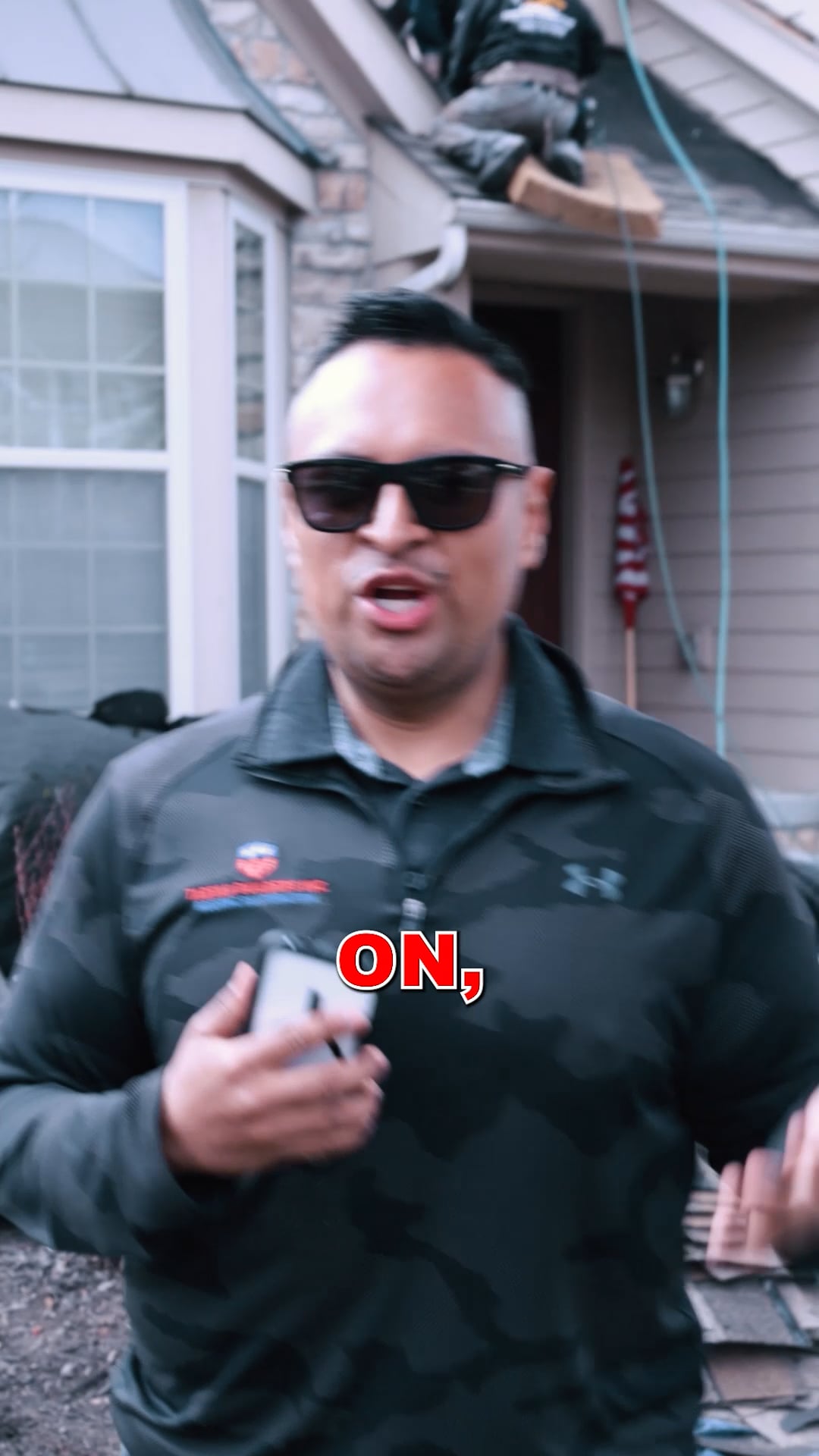
- We are on the roof for the adjuster meeting.
- The final invoice releases the recoverable depreciation, often thousands of dollars.
Stage 1 — Inspection and Documentation (days 1 to 7)
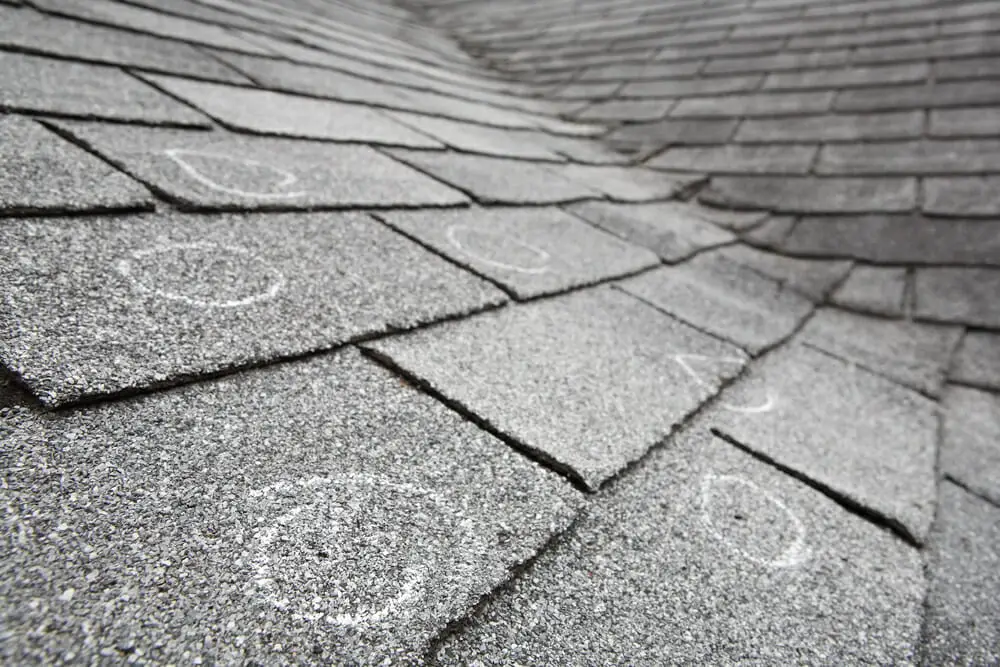
Before anything is filed, the damage gets documented properly. Test squares on each slope, strike counts, photographs with scale reference, soft metals recorded, and weather data pulled for the date of loss.
This is also where you find out whether filing is a good idea at all. If the damage will not meet the carrier’s threshold, filing produces a denial that sits on your claims record for years and achieves nothing.
Stage 2 — Filing (day 1 of the claim clock)
You file, not us. It is your policy and your claim, and carriers will only open a claim with the policyholder.
You will need the date of loss, a description of the damage, and your policy number. The carrier assigns a claim number and schedules an adjuster. That scheduling typically takes several days to a couple of weeks, and considerably longer after a widespread storm when every adjuster in the region is booked.

Stage 3 — The Adjuster Inspection (week 1 to 3)
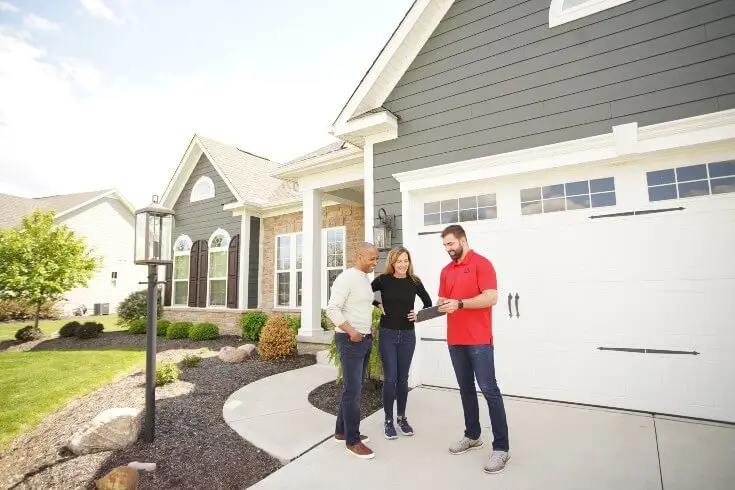
The adjuster comes out to assess. We attend. This is the single most consequential hour of the entire process, because what the adjuster writes down here determines what gets paid.
We walk the roof with them, show them the documented test squares, and make sure the slopes that took the worst of the storm actually get tested rather than the most convenient one.
Stage 4 — The Carrier’s Scope and First Payment (week 2 to 5)
The carrier issues a written scope of loss and an estimate, along with the first payment — the actual cash value, which is replacement cost minus your deductible minus depreciation.
That first check will very likely be smaller than you expect. That is normal and it does not mean the claim is underpaid. The depreciation is recoverable and comes later.
This is where we compare their line-item scope against ours. Omissions at this stage are common and correctable.
Stage 5 — Supplements (week 3 to 7)
If the carrier’s scope missed required work, we file a supplement with documentation supporting each item.
Common omissions include ice-and-water shield required by Ohio code, drip edge, deck replacement discovered at tear-off, adequate ridge venting, and the additional labor steep or complex roofs require. None of these are optional extras — they are work that has to happen for the roof to be built correctly and to code.
Stage 6 — The Work (1 to 2 days on site)
Once scope is agreed, we schedule and build. Weather permitting, most homes are one to two days.
Everything gets photographed as we go, because the completion documentation is what releases the final payment.
Stage 7 — Depreciation Release (2 to 4 weeks after completion)
We submit the final invoice and completion documentation. The carrier releases the recoverable depreciation — the second check.
If your mortgage company is named on the checks, there is an endorsement process that adds time. That has its own page because it catches almost everyone off guard.
Your total out-of-pocket cost across the whole process is your deductible.
- Ohio Adm. Code 3901-1-54: unfair property and casualty claims settlement practices, including acknowledgment and decision timeframes.
- Ohio Rev. Code 1345.21 to 1345.28: Home Solicitation Sales Act, including the three-business-day right to cancel.
- Ohio Rev. Code Chapter 3951: licensing of public insurance adjusters.
- Ohio Rev. Code 2913.47: insurance fraud.