
Quick answer
Not every roof problem is a replacement. A roof with real life left in it and damage confined to one area is a repair, and treating it as anything else is an expensive mistake.
- Missing shingles, failed pipe boots, flashing and small leak areas.
- We tell you honestly when a repair is the right call and when it is money wasted.
- Written estimate within three business days of a free inspection.
- Repairs are matched to your existing shingles as closely as the line allows.
When Repair Is the Right Answer
Three conditions generally need to be true. The roof is under about fifteen years old. The damage is confined — one slope, one section, one clear cause. And the rest of the roof still has intact granule coverage and shingles that are pliable rather than brittle.
If all three hold, repairing is straightforward and should last the remaining life of the roof.
When Repair Is Money Wasted
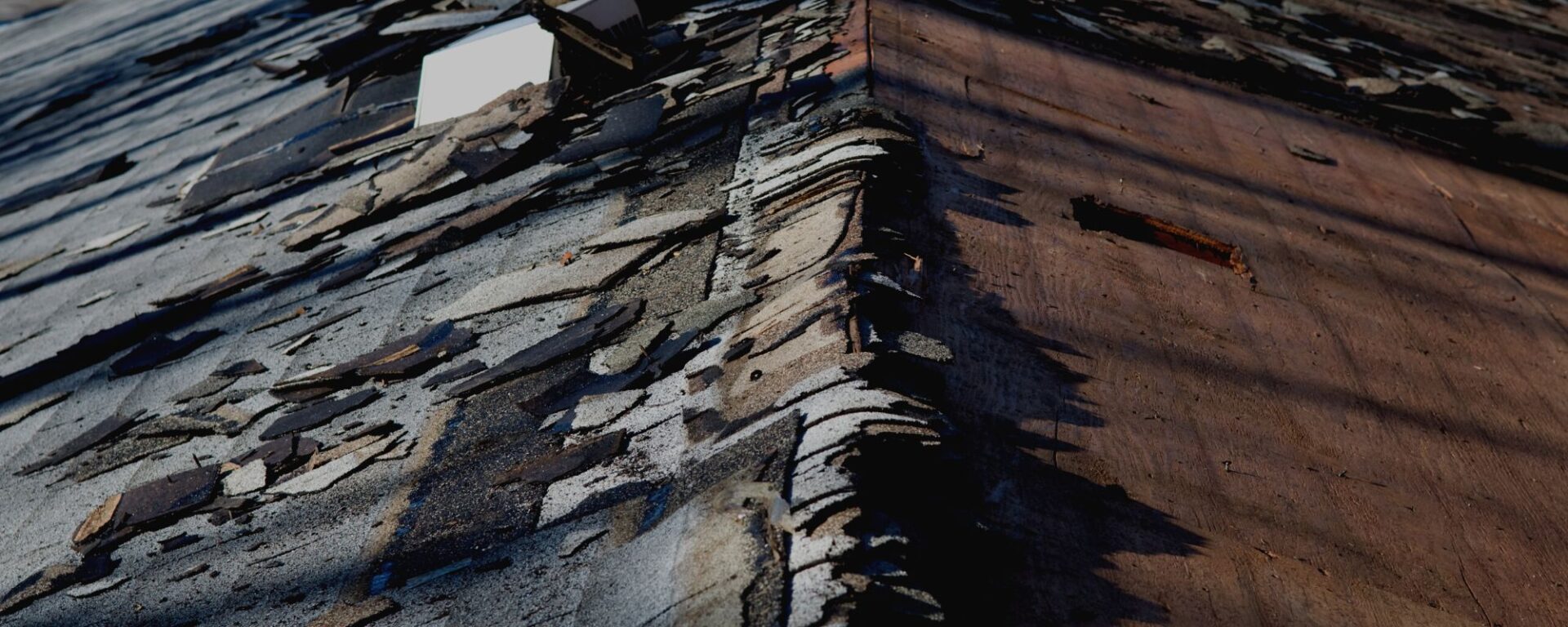
A roof past twenty years with granule loss across every plane is at the end of its service life, and a patch on one slope does not change what the other slopes are about to do. You will be back within a couple of years.
Brittleness is the clearest tell. Old asphalt shingles crack rather than flex, which means the repair itself damages the shingles around it. If lifting a shingle to slide a new one underneath breaks the neighbors, the roof is telling you something.
And if a storm caused the damage, repairing it out of pocket may be the wrong move entirely — insurance often covers full replacement in that situation. Worth checking before you spend anything.
What We Repair Most
- Missing, cracked, or wind-lifted shingles
- Failed step and counter flashing at walls and chimneys
- Valley leaks where two roof planes meet
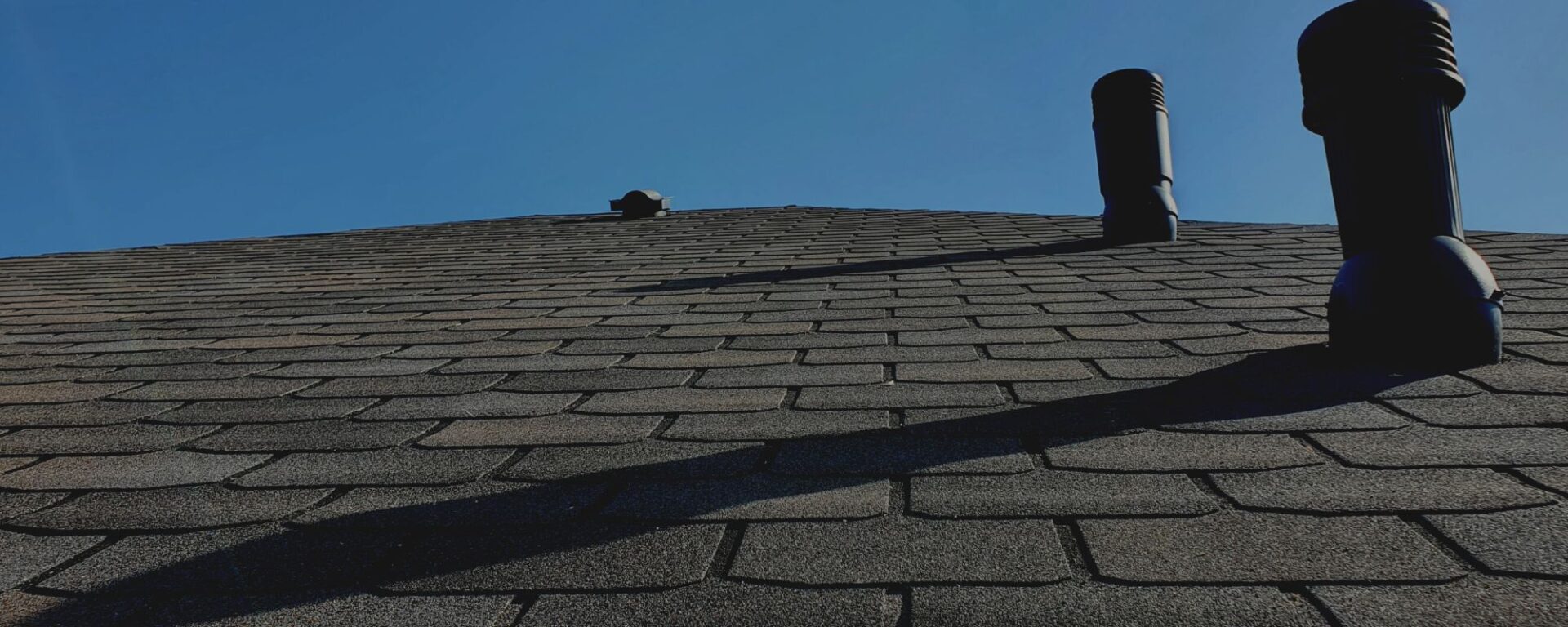
- Pipe boot cracking — the rubber collar around plumbing vents, and a very common leak source
- Ridge cap damage after high wind
- Nail pops that have backed out and broken the seal
- Small areas of soft or rotten decking
The Pipe Boot Problem
Worth singling out because it causes so many leaks and so few people know about it. The rubber collar sealing around plumbing vent pipes has a shorter service life than the roof around it — typically ten to fifteen years in Ohio sun before it cracks.
A cracked boot lets water straight down the pipe into the ceiling below. The roof looks perfectly fine. If you have a mysterious ceiling stain and a roof that is otherwise sound, this is where we look first.

What a Repair Costs
Small repairs — a handful of shingles, a pipe boot, a section of ridge cap — are usually a few hundred dollars. Flashing work and valley repairs run higher because they take longer and involve more disassembly.
We give you the number after the inspection, before any work starts. If we think you are better off replacing, we will say so and show you why rather than quietly taking the repair money.